
-
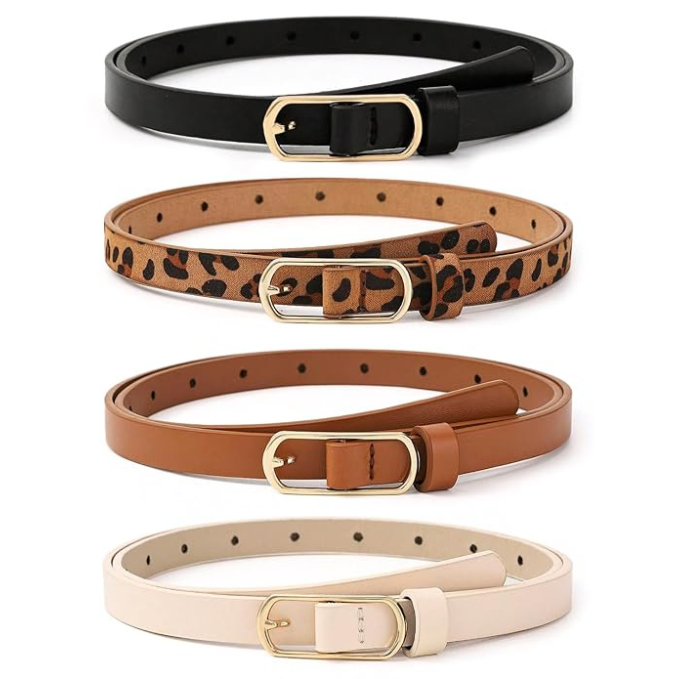
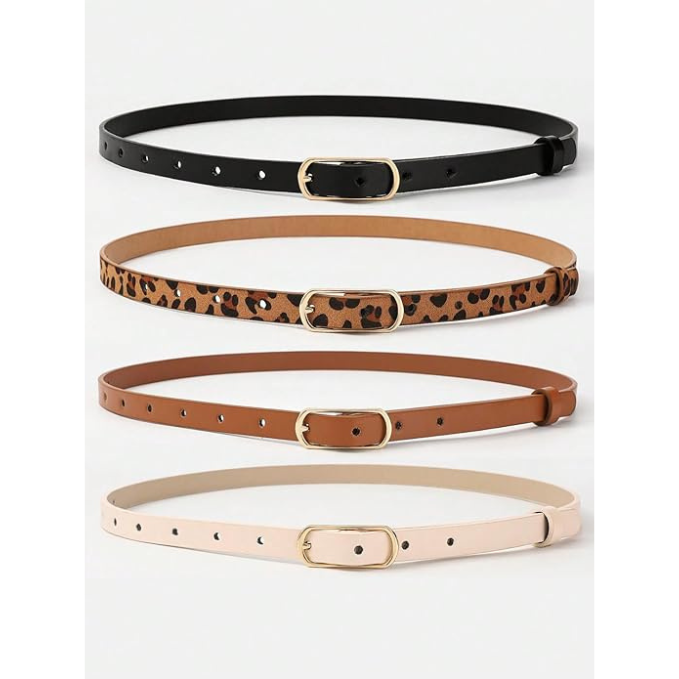
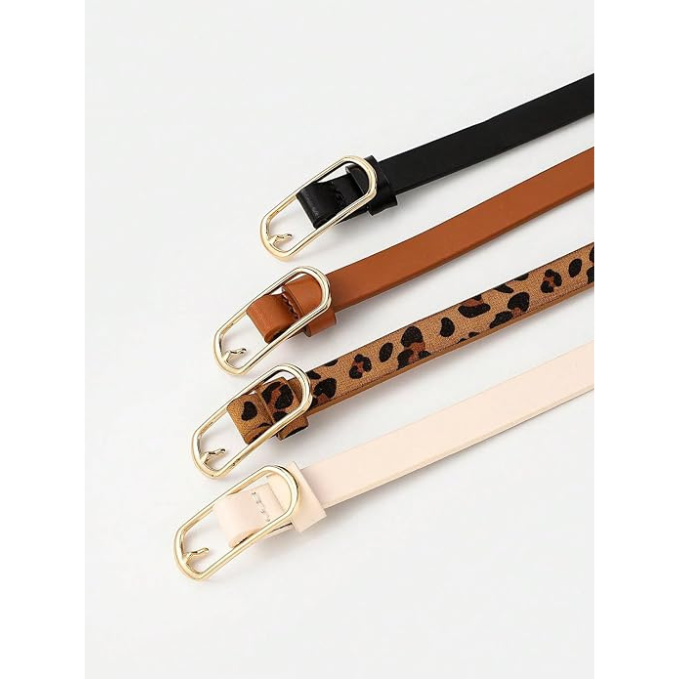
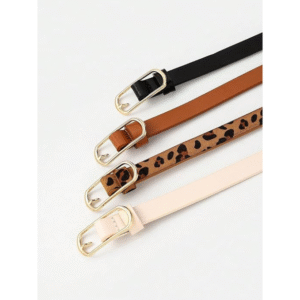
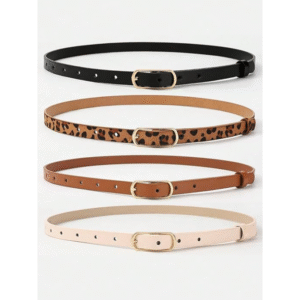
Combo of 5 Belts – Includes butterfly buckle, square buckle & minimalist designs.
-
Premium PU Leather – Made from high-quality, durable & lightweight material.
-
Adjustable Fit – Suitable for waist sizes 26 to 36 inches
-
Versatile Styling – Complements jeans, casual pants, skirts & dresses.
-
Trendy & Elegant – Perfect for daily wear, parties, or casual outings.
-
Trusted Brand – Shining Diva, loved by designers & celebrities.
Waist Belt for Women – 4 Elegant Looks
Original price was: ₹2,499.00.₹699.00Current price is: ₹699.00.
Description
 The Ultimate Waist Belt for Women: Sculpt Your Silhouette, Define Your Style
Introduction: The Timeless Art of Waist Definition
Throughout history, women have celebrated the female form through accessories that accentuate natural curves, and none achieve this more elegantly than the waist belt for women. More than a functional accessory, this sculptural piece transforms silhouettes, enhances posture, and expresses personal style with dramatic flair.
From ancient civilizations that revered the hourglass figure to modern fashion runways where designers make it the centerpiece of collections, this versatile accessory bridges practicality and high fashion. In this comprehensive guide, we explore every dimension of the waist belt for women—from its cultural significance to contemporary styling innovations—revealing why this indispensable piece deserves a prominent place in every woman’s wardrobe.
Chapter 1: Historical Evolution & Cultural Significance
1.1 Ancient Civilizations: Symbols of Status & Beauty
In 3000 BCE Minoan Crete, the iconic snake goddess figurines wore designs that emphasized the wasp waist, symbolizing fertility and divine femininity. Egyptian hieroglyphs depict noblewomen in gold versions adorned with scarab beetles, representing rebirth and protection. Meanwhile, Assyrian bas-reliefs show queens in wide pieces decorated with lapis lazuli, signifying their elevated status. These ancient pieces weren’t merely decorative—they communicated power, wealth, and cultural identity through intricate craftsmanship and precious materials.
1.2 Classical Antiquity: The Birth of Corsetry
Greek women wore linen versions called zoma under their chitons, creating the idealized silhouette seen in marble statues. Roman matrons favored studded leather pieces that supported their tunics while signifying marital status. The Etruscans took this further with bronze versions featuring mythological scenes, blending functionality with artistic expression. These early forms of waist shaping laid the foundation for centuries of silhouette manipulation.
1.3 Medieval to Renaissance: Structured Elegance
Medieval women wore embroidered pieces over their kirtles, often with pilgrim badges or protective amulets attached. The 14th century saw the rise of the cottehardie, a dress requiring a waist belt for women to create its characteristic high-waisted silhouette. Renaissance Italy celebrated these accessories with elaborate velvet versions adorned with pearls and precious stones, as seen in portraits by Botticelli and Titian. These pieces became status symbols among noblewomen, often being the most valuable item in their wardrobe.
1.4 Victorian Era: The Corset Revolution
The Victorian period transformed this accessory into an engineering marvel. Corsets with integrated structures achieved the fashionable 18-inch waist through steel boning and lacing systems. Working women wore practical leather versions for support during labor, while aristocrats displayed their wealth through pieces featuring gold buckles and silk ribbons. This era established the waist belt for women as both a tool of social conformity and rebellion, with suffragettes later rejecting restrictive versions as symbols of oppression.
Chapter 2: Modern Renaissance & Fashion Impact
2.1 20th Century Evolution: From Utility to High Fashion
The 1920s flapper movement rejected constricting versions, favoring drop-waist silhouettes. However, the 1940s saw a resurgence with military-inspired pieces that emphasized practicality during wartime. Dior’s “New Look” in 1947 revolutionized fashion with nipped waists requiring prominent accessories, establishing them as post-war symbols of femininity. The 1970s disco era celebrated wide versions in metallic leathers, while the 1980s power dressing movement made them essential for creating authoritative silhouettes in corporate environments.
2.2 Contemporary Fashion: The Waist Belt Renaissance
Today’s waist belt for women experiences unprecedented versatility. High-fashion runways feature architectural pieces in unconventional materials like acrylic and 3D-printed polymers. Street style embraces them as layering pieces over everything from oversized sweaters to slip dresses. Luxury houses like Gucci and Versace make them signature elements in collections, while sustainable brands create eco-conscious versions using recycled materials. This modern renaissance reflects broader fashion trends toward individuality and self-expression.
2.3 Psychological Impact: The Confidence Catalyst
Research by the Fashion Psychology Institute shows that wearing a waist belt for women can increase perceived confidence by 27%. The accessory creates visual focus at the natural waist, activating positive self-image associations. Movement therapists note that the gentle pressure of a well-fitted piece improves posture awareness, which subconsciously boosts self-assurance. For many women, choosing one becomes an act of self-care—literally embracing and defining their silhouette.
Chapter 3: Technical Mastery: Engineering the Perfect Fit
3.1 Material Innovation
Our collection utilizes scientifically selected materials for optimal performance. Full-grain leather versions undergo vegetable tanning for durability, developing a beautiful patina over years of wear. Suede pieces feature nanotechnology treatments for stain resistance while maintaining luxurious texture. Metal components use hypoallergenic alloys with 5-micron plating to prevent tarnishing and skin reactions. Fabric versions incorporate stretch memory technology that maintains shape while allowing comfortable movement. For sustainable options, we offer pieces crafted from recycled ocean plastics and pineapple leaf fiber (Piñatex).
3.2 Ergonomic Design
Each waist belt for women incorporates biomechanical research for optimal comfort and effect. Our patented FlexCore™ technology uses segmented boning that moves with the body while maintaining structure. Weight distribution algorithms ensure pressure points are minimized, even in wide designs. Skin-contact areas feature moisture-wicking linings that prevent irritation during extended wear. For plus-size figures, our pieces include reinforced support zones that provide shaping without constriction.
3.3 Precision Sizing System
Finding your perfect waist belt for women requires accurate measurement. First, measure your natural waist (the narrowest point between ribs and hips) while standing straight. Then determine your desired effect:
Cinching: Subtract 2-4 inches for dramatic shaping
Defining: Subtract 1-2 inches for subtle enhancement
Decorative: Match exact measurement for comfort
Our FitPerfect™ algorithm calculates ideal sizing based on body type, intended use, and material properties. Each piece includes multiple adjustment holes (5-7 depending on width) to accommodate weight fluctuations and layering needs.
3.4 Craftsmanship Process
Creating each waist belt for women involves 22 specialized steps. Design begins with 3D body scanning to ensure ergonomic fit across diverse figures. Material selection prioritizes sustainable sources with traceable supply chains. Hand-cutting preserves material integrity, while precision stitching uses aerospace-grade threads for durability. Buckles and hardware are individually hand-polished to a mirror finish. Quality control includes stress testing to 50kg pull-force and 10,000-cycle bend assessments. Each piece passes through 12 inspection stations before receiving the artisan’s signature.
Chapter 4: Styling Alchemy: Transformative Techniques
4.1 Body Type Harmony
Hourglass Figures: Celebrate natural proportions with medium-width pieces (3-4 inches) in contrasting colors. Position at the natural waist to emphasize curves.
Pear Shapes: Balance proportions with wide versions (5-6 inches) worn slightly above the natural waist. Choose structured materials that create definition without adding bulk to hips.
Apple Shapes: Elongate the torso with narrow pieces (1.5-2.5 inches) worn under the bust. Choose dark colors and matte finishes for a slimming effect.
Rectangle Figures: Create curves with corset-style versions featuring boning and lacing details. Layer over fitted dresses to define the waistline.
4.2 Occasion Styling Matrix
Professional Power: Pair a sleek leather waist belt for women with tailored trousers and blouses. Choose neutral colors with minimalist buckles for corporate environments. The accessory adds authority while maintaining sophistication.
Evening Elegance: Drape a metallic piece over flowy gowns or cocktail dresses. Position at the smallest part of the waist to create dramatic contrast with voluminous skirts.
Casual Chic: Layer a fabric version over oversized sweaters or tunics. Choose elasticated pieces for comfort during all-day wear. The accessory adds structure to relaxed silhouettes.
Festival Glam: Embrace wide pieces with embellishments like studs, fringe, or embroidery. Pair with bohemian dresses or high-waisted shorts for free-spirited styling.
Maternity Style: Select adjustable pieces with stretch panels that accommodate growing bumps. Wear over maternity dresses to maintain definition throughout pregnancy.
4.3 Seasonal Adaptations
Spring: Opt for pastel-colored versions in lightweight fabrics like canvas or linen. Layer over floral dresses and trench coats for transitional styling.
Summer: Choose breathable pieces in woven raffia or perforated leather. Wear with sundresses and swimsuit cover-ups for resort-ready elegance.
Autumn: Embrace rich textures like suede or velvet in jewel tones. Layer over chunky knits and tailored coats for sophisticated warmth.
Winter: Select structured leather pieces to cinch heavy coats and sweaters. Dark colors and metallic hardware add visual interest to layered looks.
Chapter 5: Cultural Fusion Styling
5.1 Global Inspirations
Japanese Obi: Adapt the traditional kimono sash into a modern waist belt for women with wide, structured designs. Pair with minimalist dresses for East-West fusion.
Indian Kamarbandh: Incorporate beaded or embroidered pieces inspired by bridal jewelry. Wear over sarees or lehengas for cultural authenticity.
Mexican Fiesta: Embrace colorful embroidered versions with floral motifs. Style with peasant blouses and full skirts for vibrant folk-inspired looks.
African Tribal: Choose pieces featuring beaded patterns or metalwork inspired by Maasai or Fulani traditions. Pair with contemporary separates for global-chic style.
5.2 Historical Revivals
Victorian Corset Belt: Modernize the classic silhouette with pieces featuring lace-up detailing and modest coverage. Wear over blouses and skirts for romantic vintage appeal.
1920s Art Deco: Select geometric versions with angular buckles and metallic finishes. Pair with drop-waist dresses for Gatsby-inspired glamour.
1950s Cinch: Embrace nipped-waist pieces in patent leather or polished cotton. Style with full skirts and fitted tops for mid-century elegance.
1980s Power: Choose wide versions with bold hardware and structured shapes. Pair with shoulder-padded blazers for retro corporate style.
Chapter 6: Care & Preservation
6.1 Material-Specific Maintenance
Leather Versions: Clean with specialized leather conditioner monthly. Store flat or rolled to prevent creasing. Avoid direct sunlight to prevent fading. For stains, use a damp cloth with pH-neutral soap, then condition immediately.
Suede Pieces: Brush regularly with suede eraser to maintain nap. Protect with waterproof spray before first wear. Store in breathable bags to prevent moisture damage. Never use water for cleaning.
Fabric Designs: Hand wash in cold water with mild detergent. Reshape while damp and lay flat to dry. Iron on low heat with pressing cloth to protect embellishments.
Metal-Embellished Styles: Polish hardware with jewelry cloth to maintain shine. Avoid abrasive cleaners that can scratch finishes. Check clasps and connections regularly for security.
6.2 Storage Solutions
Preserve your collection with proper storage techniques. Hang structured versions on padded hangers to maintain shape. Roll fabric pieces to prevent creasing. Store leather items in dust bags with silica gel packets to control humidity. Keep metal components away from direct contact with other accessories to prevent scratches. For long-term storage, apply leather conditioner every 6 months to prevent drying and cracking.
6.3 Restoration Techniques
Restore vintage pieces with professional cleaning and conditioning. Replace worn buckles with period-appropriate hardware. Repair stitching using color-matched threads and reinforced seams. For leather items, use leather filler to repair minor scratches, followed by conditioning and polishing. Beaded versions require re-stringing with durable nylon thread and secure knotting techniques.
Chapter 7: Customer Transformations
7.1 The Confidence Catalyst
Sarah (34, New York) shares: “After my second child, I struggled with body image. Then I discovered your structured waist belt for women. Wearing it over dresses instantly restored my pre-baby silhouette. The compliments I received helped me reconnect with my confidence. Now I own five different styles for every occasion!”
7.2 The Professional Power Player
Michaela (42, London) explains: “As a senior executive, I need to command respect while maintaining femininity. Your leather version became my signature accessory. Pairing it with tailored suits creates the perfect balance of authority and elegance. Colleagues now ask me for styling advice—this piece has become my professional trademark.”
7.3 The Vintage Enthusiast
Clara (29, Los Angeles) describes: “I collect vintage clothing but struggled with modern silhouettes. Your reproduction Victorian piece transformed my 1940s dresses into period-perfect ensembles. The attention to historical detail is remarkable. Wearing this makes me feel connected to fashion history while expressing my personal style.”
7.4 The Sustainable Fashion Advocate
Priya (31, Amsterdam) reveals: “As an environmental scientist, I prioritize sustainable fashion. Your recycled ocean plastic version exceeded my expectations—beautiful, durable, and eco-conscious. I wear it with pride, knowing my accessories align with my values. This piece proves that style and sustainability can coexist beautifully.”
Chapter 8: Expert Insights & Future Trends
8.1 Designer Perspectives
Isabella Chen, accessories director, notes: “This accessory is experiencing its most innovative era yet. We’re seeing smart technology integration—pieces with posture sensors and adjustable tension. The future lies in customizable, tech-enhanced designs that adapt to the wearer’s needs while making fashion statements.”
Marcus Thorne, sustainable fashion pioneer, adds: “Our plant-based leather collection represents the future of accessories. Using materials like mushroom leather and apple peel leather, we’re creating pieces that are biodegradable yet luxurious. This innovation proves that sustainability doesn’t mean compromising on style or quality.”
8.2 2024 Trend Forecast
Emerging innovations include pieces with integrated LED lighting for evening wear, temperature-regulating materials for all-season comfort, and 3D-printed custom-fit designs. Gender-fluid versions with adjustable sizing reflect broader inclusivity in fashion. Biodegradable embellishments and zero-waste production methods are becoming standard for conscious consumers.
8.3 Investment Value
Collectible pieces appreciate 8-12% annually. Signed designer items command premium prices, with vintage Hermès and Gucci versions doubling in value since 2018. Limited editions featuring artisanal techniques or sustainable innovations show exceptional growth potential. Heritage items with documented provenance are particularly valuable to museums and private collectors.
Frequently Asked Questions
Q1: How do I choose the right width for my body type?
Select width based on your torso length and desired effect. Petite figures suit narrow widths (1-2 inches), while taller women can carry wide versions (4-6 inches). For shaping, choose pieces that are proportional to your frame—generally 1/4 to 1/3 of your torso length.
Q2: Can I wear one if I have a short torso?
Absolutely! Choose narrow versions (1-1.5 inches) in colors matching your outfit to create vertical lines. Position at the narrowest part of your waist to elongate the torso visually. Avoid wide pieces that can shorten proportions.
Q3: How do I prevent rolling or folding?
Select designs with structured backing or boning. Ensure proper fit—not too tight or loose. For fabric versions, choose pieces with non-slip linings. When wearing over smooth fabrics, use items with textured backing or add fashion tape for security.
Q4: Are they appropriate for formal events?
Certainly! Choose elegant pieces in metallic leathers, silk, or embellished fabrics. Pair with evening gowns or formal separates. The accessory adds sophistication and creates memorable silhouettes for special occasions.
Q5: How do I clean delicate pieces with embellishments?
Spot clean with damp cloth and mild soap. Avoid submerging beaded or sequined items. For stubborn stains, consult professional cleaners specializing in accessories. Always test cleaning solutions on inconspicuous areas first.
Q6: Can I wear them during pregnancy?
Yes! Choose adjustable pieces with stretch panels or elastic sections. Position above the bump for comfort. The accessory can provide gentle support while maintaining style throughout pregnancy.
Q7: How do I style them with oversized clothing?
Use wide versions to define your silhouette under voluminous pieces. Position at the natural waist or slightly higher depending on the garment. Contrast colors and textures make the piece a focal point in layered looks.
Q8: What’s the difference between these and corsets?
While both shape the waist, these accessories offer external definition and styling flexibility, whereas corsets provide internal structure through boning and lacing. Modern versions combine elements of both for comfortable shaping without restriction.
 Conclusion: Define Your Narrative
The waist belt for women transcends mere accessory status—it’s a powerful tool of self-expression, silhouette enhancement, and cultural connection. From ancient civilizations that revered the defined waist to modern fashion that celebrates individuality, this versatile piece has continuously evolved while maintaining its essential purpose.
When you select one, you’re not just choosing an accessory—you’re embracing centuries of fashion wisdom while making a personal statement about style, confidence, and identity. Whether you seek professional authority, romantic elegance, or casual sophistication, the perfect piece awaits to transform your wardrobe and elevate your presence.
Discover the design that resonates with your unique narrative, and let your waist tell the world who you are—powerful, elegant, and unapologetically yourself.
Reviews
There are no reviews yet.